implementing zero trust architecture for multi cloud enterprise networks

implementing zero trust architecture for multi cloud enterprise networks

Introduction Zero trust architecture (ZTA) is no longer optional for multi-cloud enterprises. With workloads spanning AWS, Azure, and GCP, traditional perimeter-based security models fail. Our team has deployed zero trust architectures for global clients, achieving consistent identity verification, micro-segmentation, and least-privilege access across heterogeneous cloud environments. The Multi-Cloud Zero Trust Challenge Each cloud provider offers … Read more


implementing zero trust architecture for multi cloud enterprise networks

implementing zero trust architecture for multi cloud enterprise networks

Introduction Multi-cloud environments introduce unique challenges for zero trust implementation. Different clouds use varying identity providers, networking models, and security controls. Our team has designed zero trust architectures for enterprises running workloads across AWS, Azure, Google Cloud, and on-premises data centers. We have learned that successful zero trust requires identity-centric security and consistent policy enforcement. … Read more

next generation firewall encryption inspection strategies for zero trust networks

next generation firewall encryption inspection strategies for zero trust networks

Introduction Zero trust networks require perimeterless security where encrypted traffic inspections play a central role. Next-generation firewalls (NGFWs) have evolved beyond packet filtering to include deep SSL/TLS decryption, machine learning-based anomaly detection, and adaptive policy enforcement. Our engineering team has deployed NGFW encryption inspection across enterprise networks for clients in finance, healthcare, and e-commerce. In … Read more

hardening database configuration baselines against distributed injection attacks

hardening database configuration baselines against distributed injection attacks

Introduction Our security operations team has observed a disturbing trend in 2026: injection attacks are evolving beyond traditional SQL injection to target NoSQL databases, graph databases, and even serverless data stores. Distributed injection attacks now leverage AI-generated payloads that bypass conventional WAF signatures. Hardening database configuration baselines provides the most effective defense. In our engagements … Read more

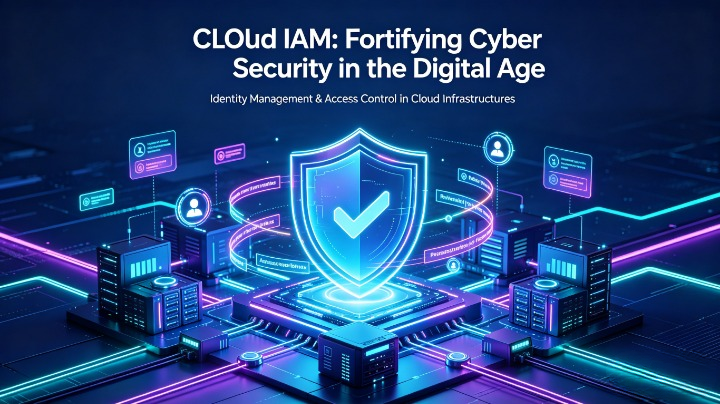
Cloud Identity and Access Management (IAM): Best Practices for Preventing Credential Stuffing and Unauthorized Privilege Escalation

Cloud Identity and Access Management (IAM) security diagram showing shield protection against credential stuffing attacks and privilege escalation threats across AWS, Azure, and Google Cloud platforms

Executive Summary Cloud Identity and Access Management (IAM) is the foundational control plane for securing all cloud resources, yet it remains one of the most frequently exploited attack surfaces. In 2026, over 74% of cloud breaches begin with compromised credentials or misconfigured IAM permissions, with credential stuffing and privilege escalation ranking as the top two … Read more

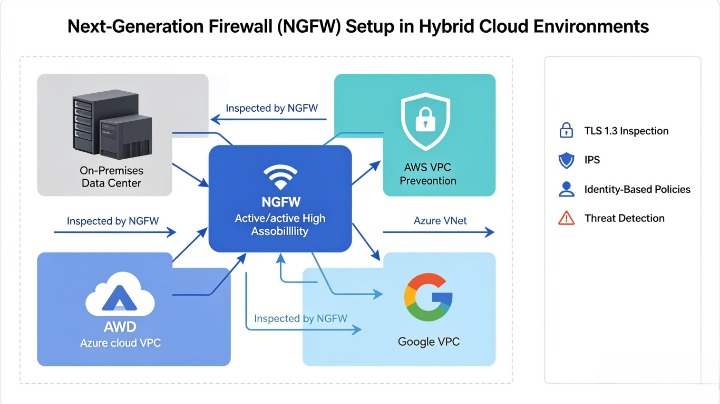
Next-Generation Firewall (NGFW) Setup in Hybrid Cloud Environments: A Comprehensive Step-by-Step Security Engineering Manual

Next-Generation Firewall (NGFW) Setup in Hybrid Cloud Environments: step-by-step engineering guide illustration showing secure traffic routing, deep packet inspection, intrusion prevention, and multi-cloud connectivity between on-premises infrastructure and public cloud platforms.

Abstract As organizations adopt hybrid cloud models — combining on-premises data centers with public cloud infrastructure from AWS, Azure, Google Cloud, and private cloud environments — traditional perimeter firewalls are no longer sufficient to protect distributed workloads. Next-Generation Firewalls (NGFWs) integrate deep packet inspection, application awareness, user identity controls, intrusion prevention, and threat intelligence into … Read more

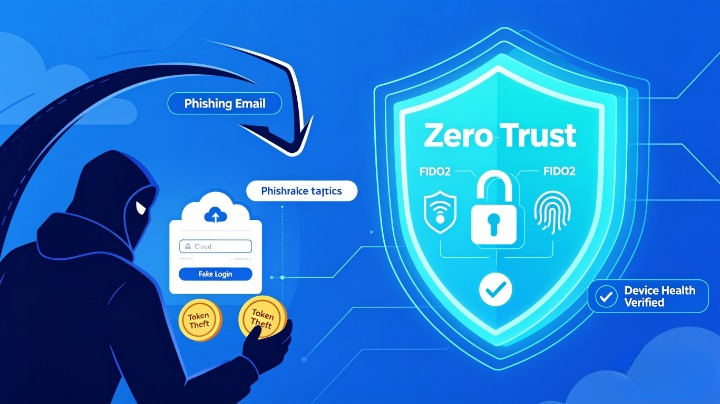
The Evolution of Cloud Phishing: Advanced Tactics Used by Cybercriminals and How to Implement Zero-Trust Account Protection

The Evolution of Cloud Phishing: illustration showing how modern phishing tactics including deceptive emails, fake cloud login portals, and session token theft are stopped by Zero Trust account protection using phish-resistant FIDO2 authentication, identity checks, and device health validation.

Abstract As global organizations accelerate their migration to cloud-first infrastructure, unified identity systems, and distributed collaboration platforms, phishing has undergone a radical transformation. What began as simple deceptive emails has evolved into a sophisticated, cloud-native attack ecosystem designed to bypass multi-factor authentication, exploit trusted identity flows, and compromise entire organizational environments through a single user … Read more