implementing runtime application self protection rasp frameworks in cloud native containers
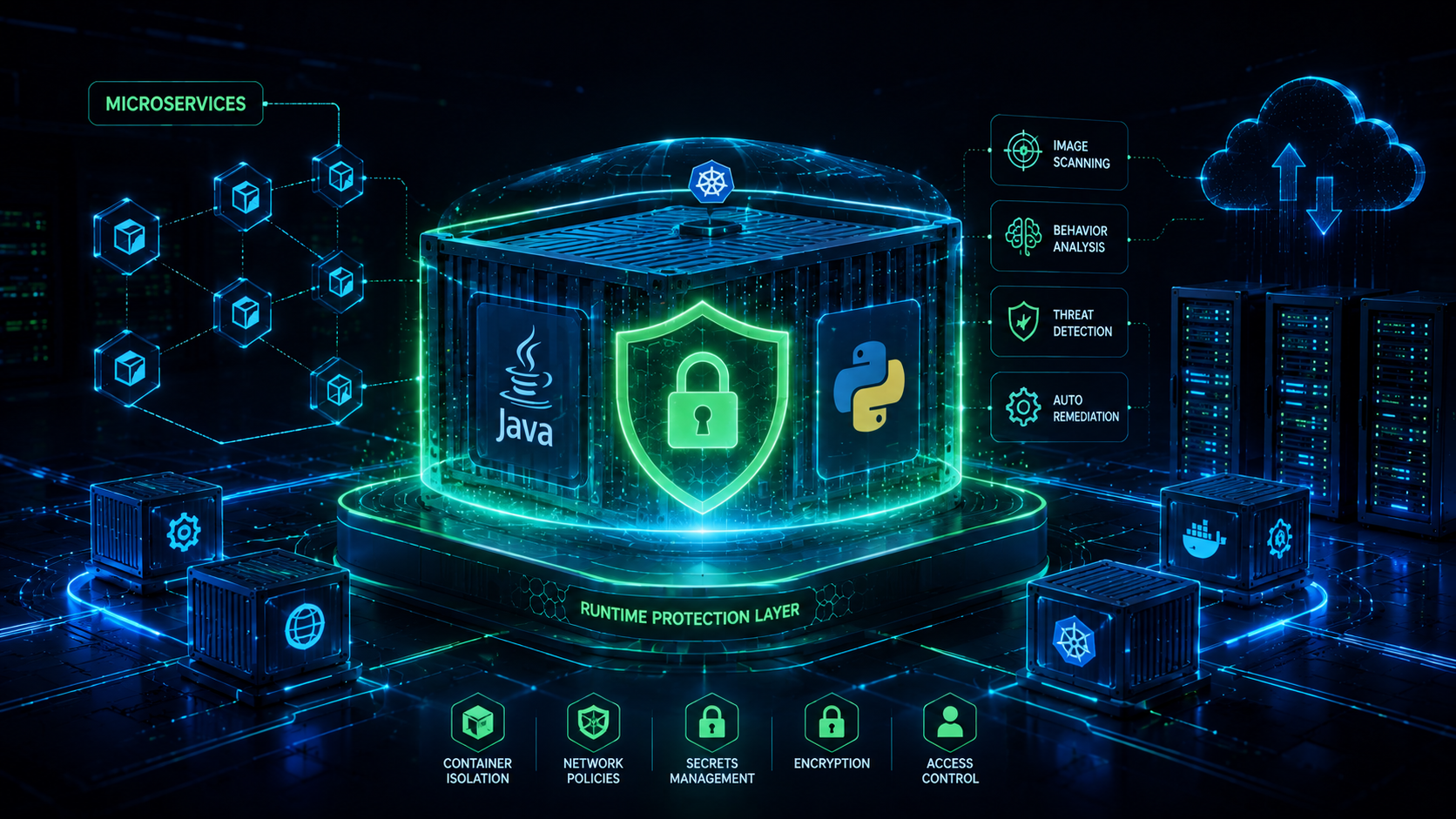
implementing runtime application self protection rasp frameworks in cloud native containers

Introduction In our latest enterprise security assessments across AWS EKS, Azure AKS, and Google GKE clusters, we discovered that traditional perimeter defenses are insufficient to protect containerized applications from zero-day exploits. Runtime Application Self-Protection (RASP) frameworks have emerged as the last line of defense, embedding security directly into the application runtime. Our team has deployed … Read more

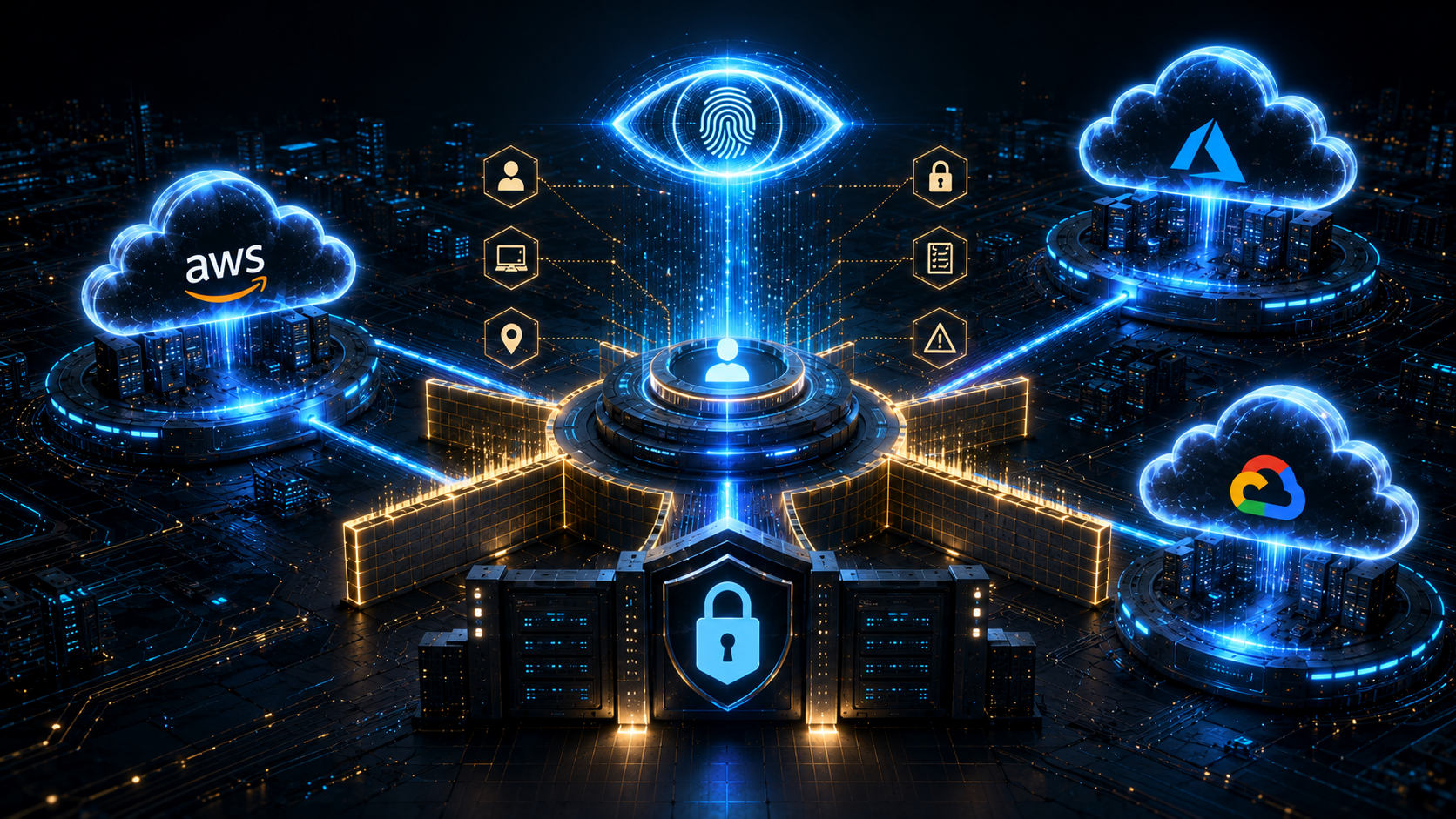
cross cloud vulnerability management architectures for automated infrastructure scanning

cross cloud vulnerability management architectures for automated infrastructure scanning

Introduction Multi-cloud environments introduce significant challenges for vulnerability management. Different clouds use separate scanning tools, patch schedules, and reporting formats. Our team has architected a cross-cloud vulnerability management system that unifies scanning, prioritization, and remediation across AWS, Azure, and GCP. The Multi-Cloud Vulnerability Problem Organizations using multiple clouds face: Our Unified Architecture We designed a … Read more

implementing zero trust architecture for multi cloud enterprise networks

implementing zero trust architecture for multi cloud enterprise networks

Introduction Zero trust architecture (ZTA) is no longer optional for multi-cloud enterprises. With workloads spanning AWS, Azure, and GCP, traditional perimeter-based security models fail. Our team has deployed zero trust architectures for global clients, achieving consistent identity verification, micro-segmentation, and least-privilege access across heterogeneous cloud environments. The Multi-Cloud Zero Trust Challenge Each cloud provider offers … Read more

automated threat hunting tools for continuous infrastructure security monitoring

automated threat hunting tools for continuous infrastructure security monitoring

Introduction Our latest infrastructure security engagements reveal that manual threat hunting cannot scale to meet modern network demands. Cloud-native deployments generate petabytes of logs and event data daily. Automated threat hunting tools analyze this data at machine speed, reducing mean time to detection from hours to minutes. We have implemented automation tools across AWS, Azure, … Read more

implementing zero trust architecture for multi cloud enterprise networks

implementing zero trust architecture for multi cloud enterprise networks

Introduction Multi-cloud environments introduce unique challenges for zero trust implementation. Different clouds use varying identity providers, networking models, and security controls. Our team has designed zero trust architectures for enterprises running workloads across AWS, Azure, Google Cloud, and on-premises data centers. We have learned that successful zero trust requires identity-centric security and consistent policy enforcement. … Read more

automated patch management protocols for cloud microservices container architecture

automated patch management protocols for cloud microservices container architecture

Introduction In our latest enterprise testing across multi-cloud Kubernetes clusters, we discovered that unpatched container vulnerabilities remain the primary attack vector for infrastructure breaches. Automated patch management protocols have become non-negotiable for organizations running microservices at scale. Without a structured patching strategy, security teams waste countless hours manually updating nodes, orchestrators, and application dependencies. Our … Read more

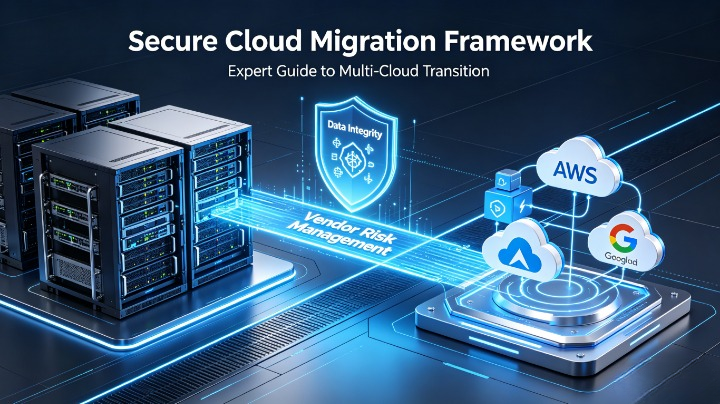
Secure Cloud Migration Framework: Managing Third-Party Vendor Risks and Data Integrity During Legacy System Transitions

Secure cloud migration framework diagram showing third-party vendor risk management, cryptographic data integrity validation, and secure transition from legacy systems to multi-cloud environments

Executive Summary Cloud migration is no longer an option but a strategic necessity for enterprises seeking agility, cost efficiency, and scalability—yet 64% of cloud migrations encounter critical security gaps, and 38% result in data corruption, loss, or unauthorized exposure during the transition (Gartner 2026). Many organizations focus solely on moving workloads quickly, overlooking two of … Read more

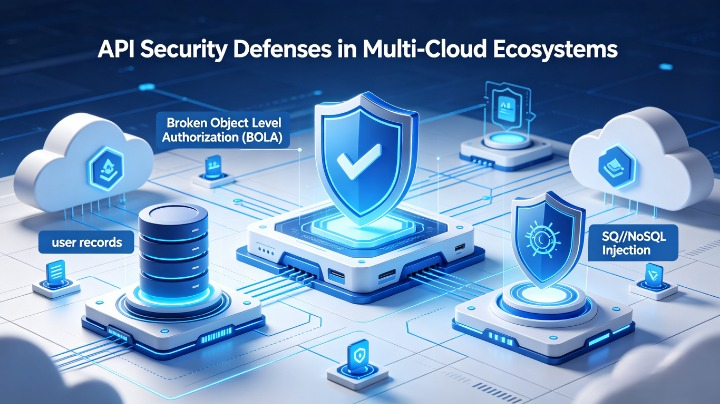
API Security Defenses in Cloud Ecosystems: Preventing Broken Object Level Authorization (BOLA) and Injection Vulnerabilities

API security defense diagram showing protection against Broken Object Level Authorization (BOLA) and injection vulnerabilities across cloud API gateways, microservices, and databases

Executive Summary Application Programming Interfaces (APIs) have become the backbone of modern cloud ecosystems, powering microservices, mobile apps, partner integrations, and data exchanges—accounting for 83% of all internet traffic in 2026 (Akamai API Security Report). However, they are also the fastest-growing attack surface: 94% of organizations faced at least one serious API security incident in … Read more

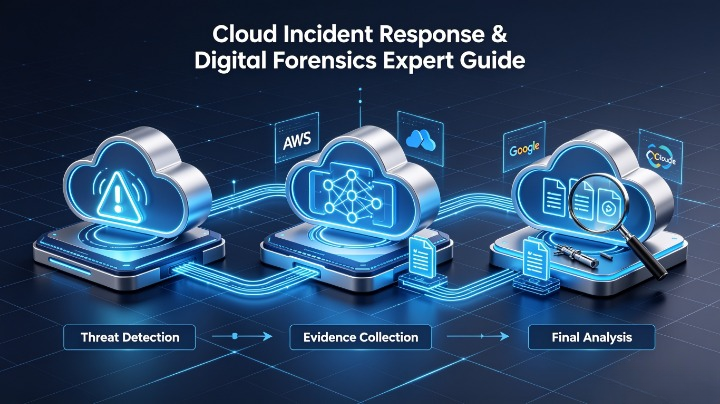
Incident Response and Digital Forensics in the Cloud: How to Detect, Isolate, and Analyze Enterprise Security Breaches

Cloud incident response and digital forensics diagram showing detection, network isolation, evidence collection, and breach analysis across AWS, Azure, and Google Cloud environments

Executive Summary Cloud environments fundamentally change how security incidents unfold: resources are ephemeral, logs are distributed across multiple services, and attackers can erase traces in minutes—while traditional on-premises response methods often fail or destroy critical evidence. In 2026, 68% of cloud breaches took over 90 days to detect, and 54% of response teams lost access … Read more

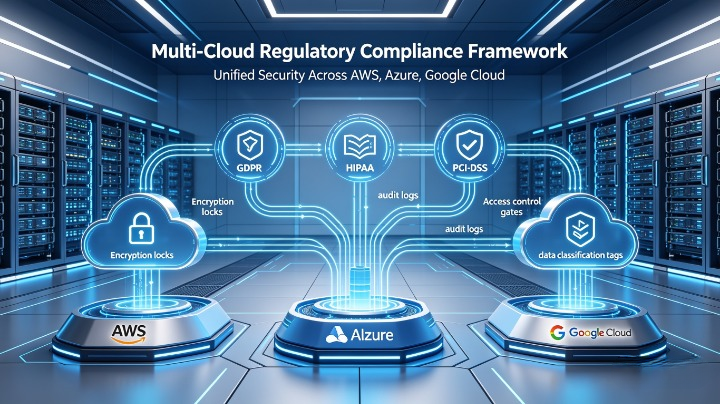
Cloud Regulatory Compliance Guides: Navigating GDPR, HIPAA, and PCI-DSS Security Controls in Multi-Cloud Environments

Multi-cloud regulatory compliance diagram showing GDPR, HIPAA, and PCI-DSS security controls applied consistently across AWS, Azure, and Google Cloud environments

Executive Summary As organizations adopt multi-cloud strategies to avoid vendor lock-in and optimize performance, meeting global regulatory requirements has become one of the most complex challenges in cloud security. 71% of multi-cloud deployments face compliance gaps across at least one major framework, while 44% have incurred penalties or audit findings due to inconsistent controls between … Read more